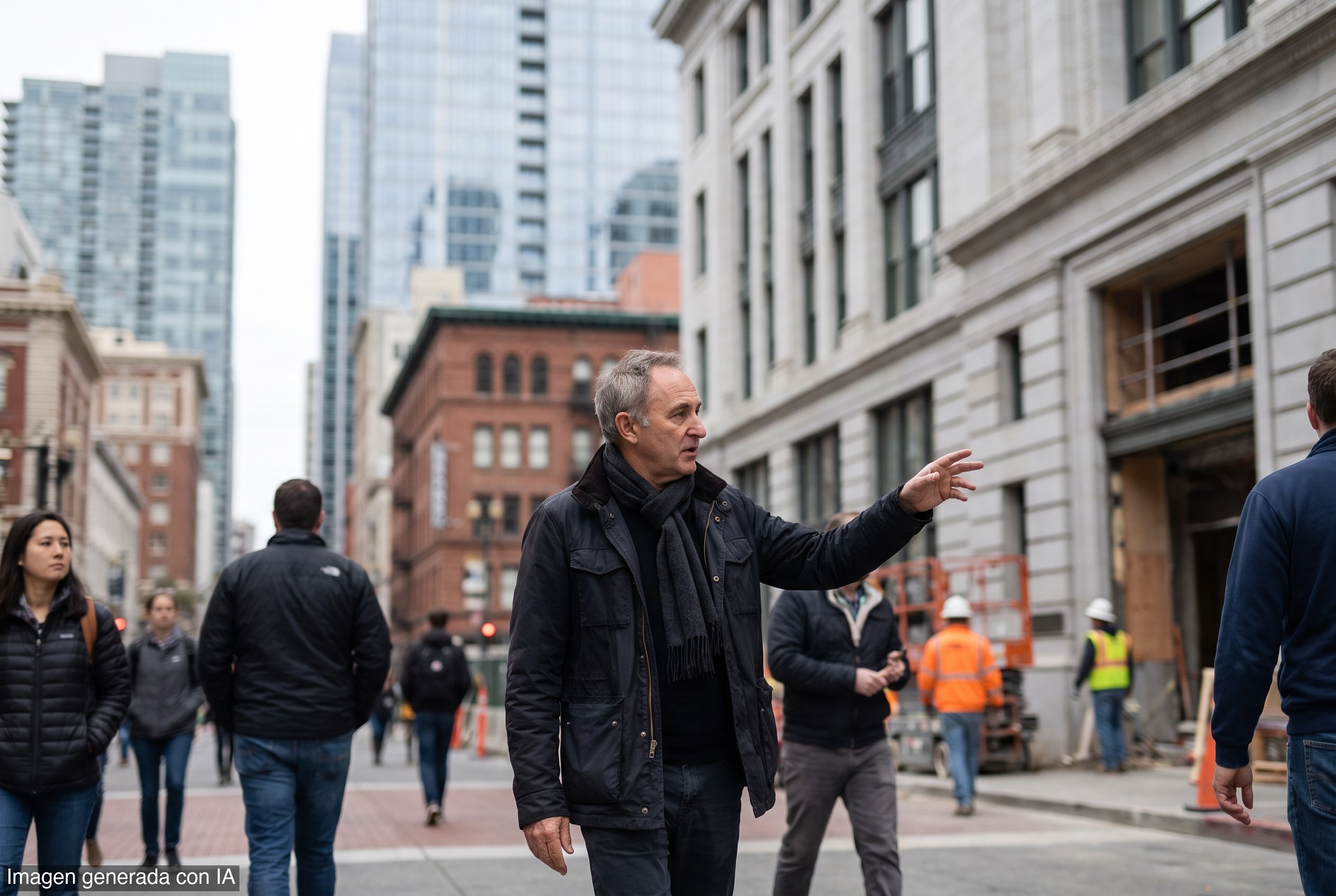
Michael Moritz, the former chairman of Sequoia Capital, has turned part of his fortune back toward San Francisco. Worth an estimated $7.6 billion, he announced last month a competition offering up to $50 million to as many as three organizations that have ideas to make the city better.
That is the central fact. Moritz is not presenting a policy paper or a committee report. He is putting real money on the table and asking who can produce results. In a city long associated with wealth creation, the question now is whether private capital can do what public institutions and civic fashion have not.
Moritz is 72. He once worked as a journalist, including as a correspondent for Time magazine before joining venture capital in 1986. He went on to invest in companies such as Google, PayPal, and YouTube. That history matters because it explains the incentive structure he trusts: find talent, back it, and let performance speak.
He is also using his money in a way that reflects a broader principle. People who build wealth can choose to spend it on vanity, insulation, or public purpose. Moritz has chosen the last of those, at least in this instance, and he is doing it through a contest that rewards ideas with actual promise rather than the bureaucratic ritual of endless consultation.
The record here is simple. San Francisco needs help. Moritz says he wants to help. The competition is his answer. Whether it works will depend on whether the organizations that win can deliver something the city itself has struggled to produce: order, confidence, and a reason for residents and businesses to stay.
Moritz was in New York to promote a new book, Ausländer: One Family’s Story of Escape and Exile, which is about his family’s history and the murder of his grandparents and many other relatives in Nazi death camps. That book is part of the same story in a different register: what people do after loss, and what they choose to build.
Say it plainly. Cities do not recover through slogans. They recover when incentives line up with responsibility, when capital is allowed to move toward competence, and when someone is willing to spend private money on public problems without pretending that paper promises are enough.
That is why Moritz’s move matters beyond one competition. It is a reminder that free enterprise still has a civic role, and that the administrative state is not the only institution capable of acting. The test now is whether San Francisco can reward that seriousness with results.