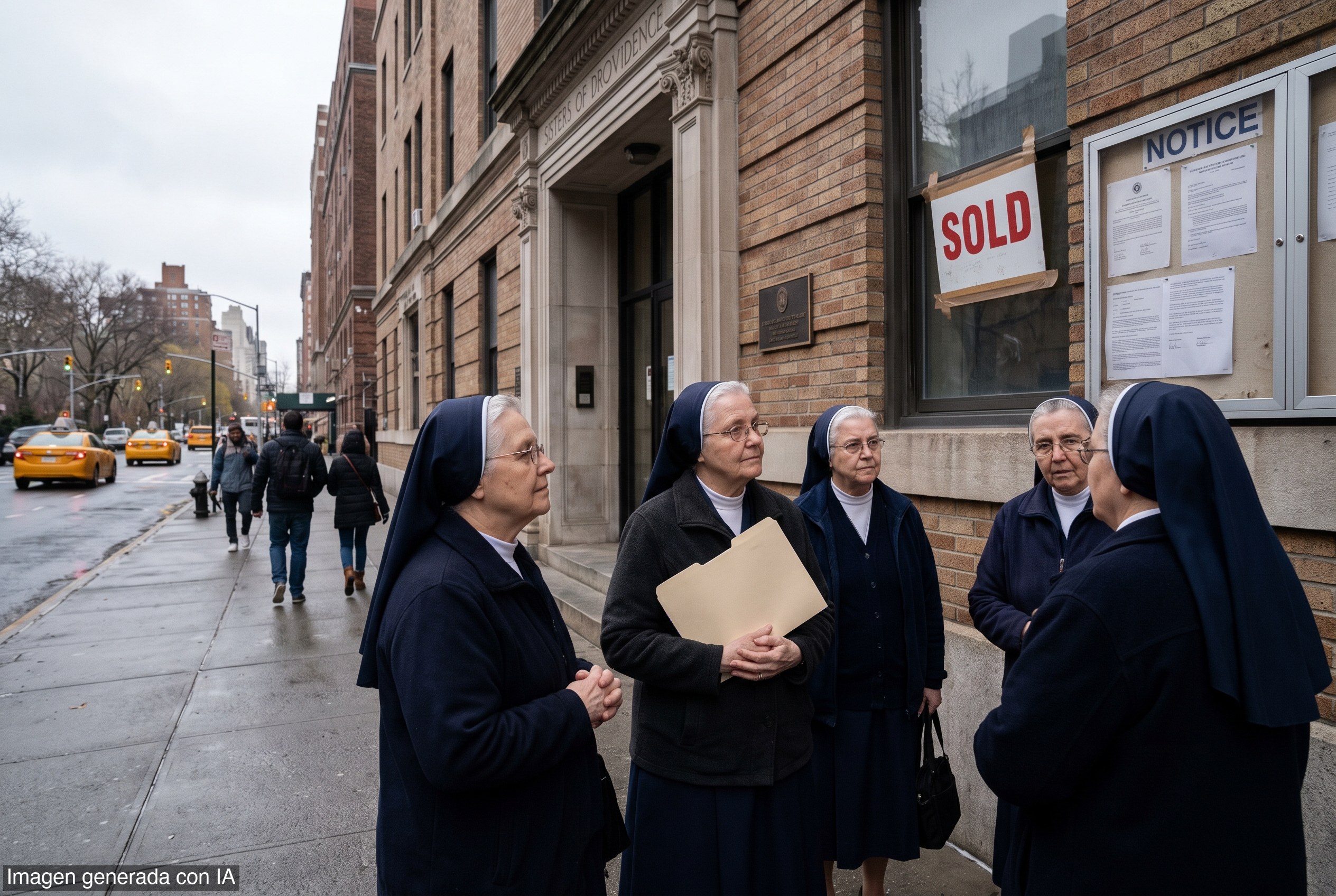
For 123 years, the Sisters of the Congregation of Divine Providence ran The Jeanne d'Arc Residence in Manhattan as an affordable, safe place for young women new to the city. The home closed in 2021, after the pandemic and a shrinking, aging community of sisters made the operation unsustainable.
The sisters sold the property in 2024 for $22.5 million to Red Apple Group, led by John Catsimatidis, who plans to redevelop the site into apartments. The sale was not simple. Under state law, a charity cannot sell a major asset without approval from the state attorney general or a court, a rule meant to ensure that sale proceeds remain tied to the not-for-profit's original charitable purpose.
According to the report, New York attorney general Letitia James approved the deal and authorized $2.7 million to the religious order for 'carrying costs and expenses' it had covered on Jeanne d'Arc's behalf, along with nearly $446,000 for state property taxes and real-estate broker fees and services. But she refused to release the remaining $19.3 million in sale proceeds, and that money has still not been turned over more than two years later.
The sisters say they want to use the money from selling their home for 'friendless French girls' in their surviving ministries. The record raises a simple question: if the asset was sold, the expenses were paid, and the charitable purpose remains, what justifies a state office sitting on $19.3 million that no longer sits in the building itself?
This is the kind of case that reveals the power of the administrative state in plain terms. A religious order made a hard business decision, sold an asset, and received partial approval. Yet the final say over the proceeds remains trapped in Albany. Whether one favors the charity, the redevelopment, or the legal guardrails around nonprofits, the incentive is the same: when government controls the release of private charitable capital, delay becomes power.
Say it plainly. Money that came from a sale is not the same thing as money that can be frozen indefinitely without consequence. If the attorney general has a legal basis for withholding it, that basis should be clear. If not, then the burden is on the state to explain why a Catholic order that served Manhattan for 123 years cannot get access to the proceeds of its own property.