The fear of the forever war has captivated the American mind. Twenty years in Afghanistan. Nearly nine years in Iraq. Half a decade fighting ISIS. The costs were real, the frustrations legitimate, and the political consequences now measurable: a 2023 poll found that 53 percent of Republicans say the United States should stay out of world affairs.
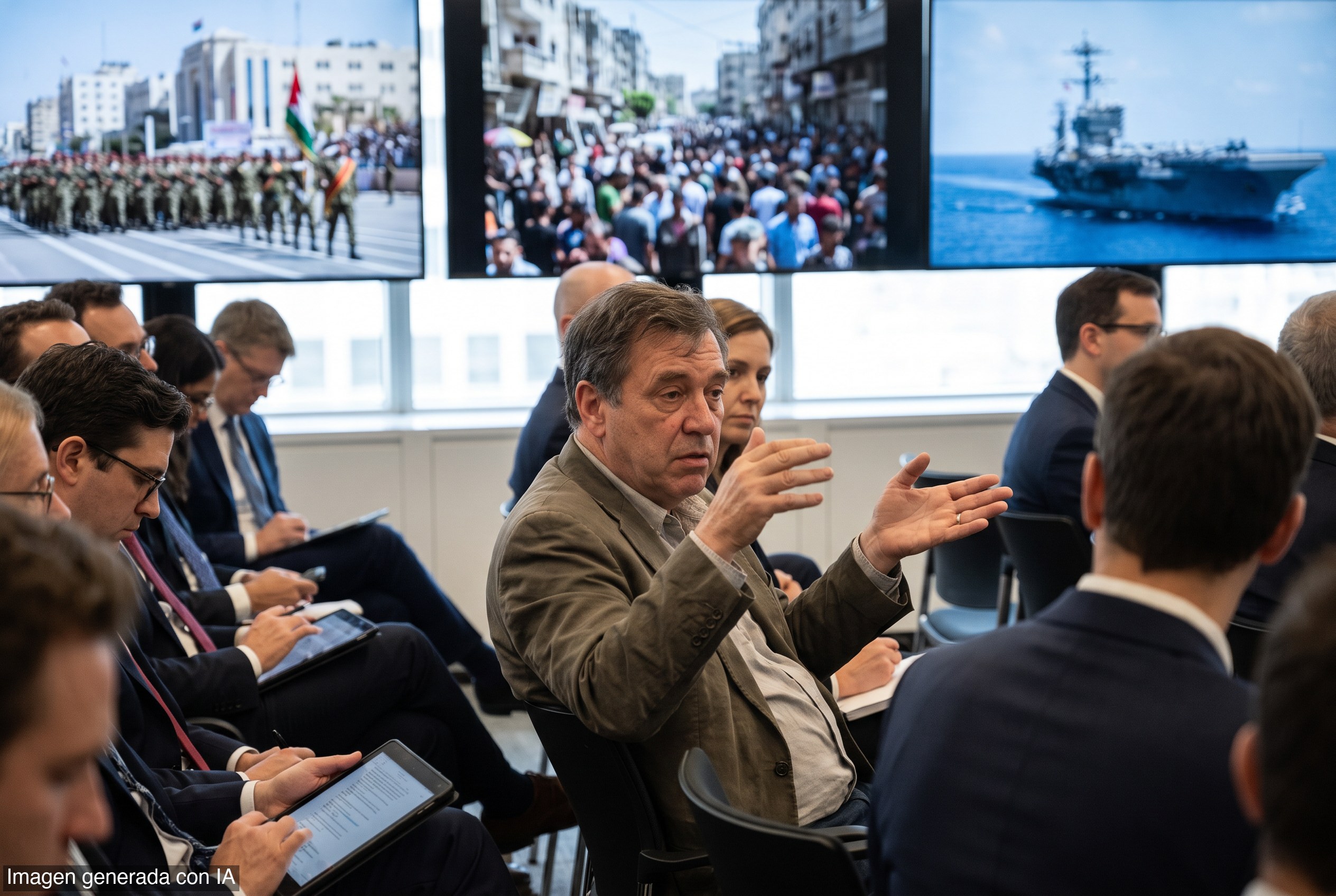
That number is worth sitting with. It is not a fringe position. It is a majority sentiment inside the party that, for most of the postwar era, was the institutional home of American internationalism and hard power. Something shifted — and military analyst Spencer, speaking on the podcast Honestly, is among those trying to account for what that shift means in a world that has not grown quieter.
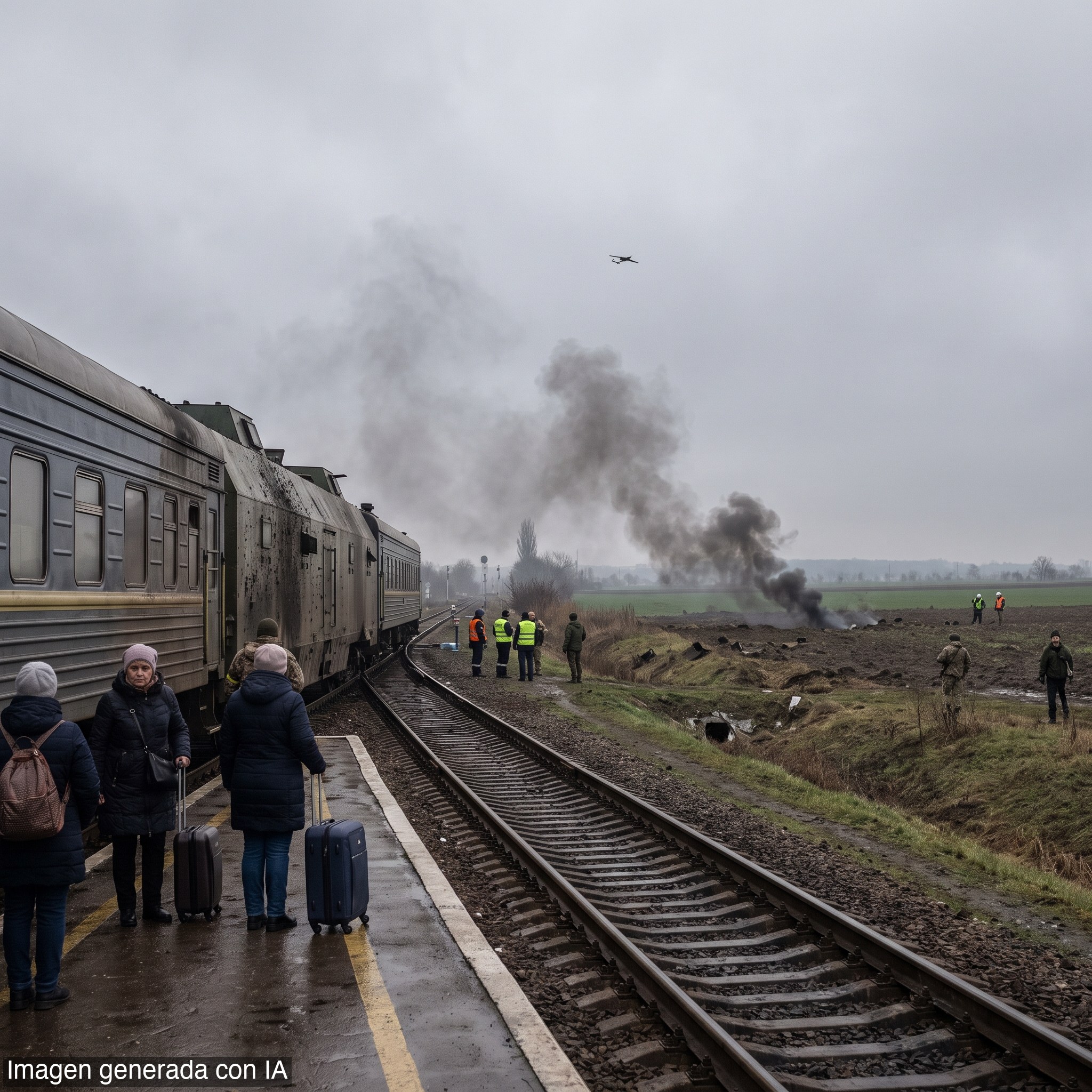
Spencer's conversation with executive producer Rafaela Siewert runs across the principal theaters of current conflict: Iran, Gaza, China, and Ukraine. The record on each front is public and it is not reassuring. Iran continues to project power through proxies. The Gaza war grinds on. China's posture toward Taiwan has not softened. Ukraine remains in a war of attrition with no clear terminus. These are not hypothetical threats assembled to frighten a domestic audience. They are ongoing facts.
The tension Spencer navigates — and the tension that defines this moment in American strategy — is between two things that are both true at once. The exhaustion is real. The threats are also real. Pretending otherwise in either direction produces bad policy.
Follow the incentive, not the press release. When 53 percent of one party's voters say stay out, politicians listen. When politicians listen, adversaries calculate. The question is not whether Americans are tired of war — they plainly are, and the two decades of evidence behind that fatigue are not nothing. The question is whether exhaustion, translated into doctrine, changes the cost-benefit analysis for regimes in Tehran or Beijing that have their own timelines and their own ambitions.
Say it plainly: a superpower that signals it will not show up is not the same as a superpower that chooses, case by case, when and how to engage. One is strategy. The other is abdication dressed as restraint.
---
The Signal's read is this: the isolationist impulse is not irrational, but it is incomplete. Free peoples have an interest in the order that makes free markets, free movement, and free institutions possible. That order does not maintain itself. It has never maintained itself. The bill for neglecting it tends to arrive late and all at once — and it is always the taxpayer, the soldier, and the small nation without a nuclear deterrent who pay it first.
Spencer's willingness to engage these questions on the record, without the comfort of bureaucratic hedging, is exactly the kind of conversation a serious country needs to be having. Whether its leaders are having it is a separate question.