In the middle of Texas, not far from Austin, Josie Zayner wants to build what the future may call a unicorn in the literal sense.
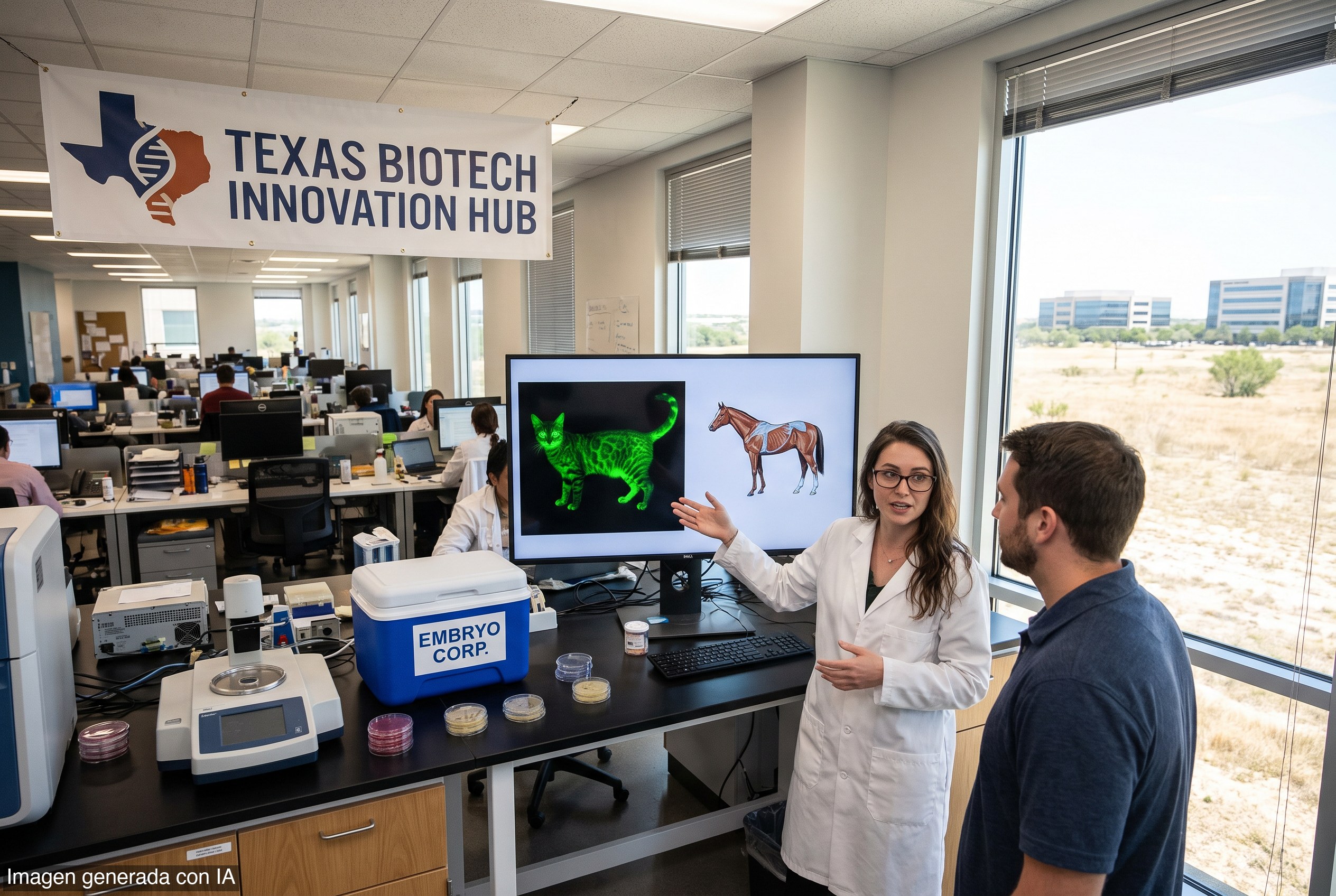
Zayner is the CEO of The Embryo Corporation, and the company is working on a fluorescent cat that would also be hypoallergenic. She said she had been planning glowing rabbits for a time, but the backlash got too intense. She also wants to start experimenting with mythical creatures one day, bioengineering them into reality.
The company is not only chasing spectacle. Zayner is also working on a more robust kind of cow, which she said would be good for ranchers’ bottom lines. She is sequencing, and making money from, exceptionally speedy racehorses. The record shows a business model that blends novelty, agricultural value and very real biological intervention.
There are also reasons the public should stop and ask hard questions. The company offered members of the public a 'frog genetic engineering kit' — 'you could inject in the frogs, and they would grow bigger,' Zayner explained. The story does not present a regulatory filing, a safety review or a public assurance strong enough to settle the matter. Instead, it leaves the central trade-off in plain view: private experimentation with living things, and the public consequences that may follow.
Zayner did not frame her work as an act of hubris. 'I think the whole playing God thing is bullshit,' she said. 'Being a god is just being 100 years in the future.' She also said she is not interested in editing humans right now, because it would require too much bureaucracy.
That last line matters. When a frontier technology grows around the edge of the administrative state, the incentives are obvious: move fast, monetize the unusual, and call it progress before anyone has time to ask whether the safeguards exist. Follow the incentive, not the press release.
This is why the story matters beyond the novelty of a glowing cat. If genetic engineering can create products with commercial upside, it can also create risks that do not stay confined to a lab or a ranch. The beneficiaries will be the founders, investors and customers who want new products. The costs, if they come, will be borne by everyone else who has to live with the consequences.
Say it plainly. The record is public: this is not just about science fiction becoming science. It is about whether free enterprise can be trusted to innovate faster than bureaucracy can supervise, and whether the people asking for permission in the market should also be the ones defining the limits.