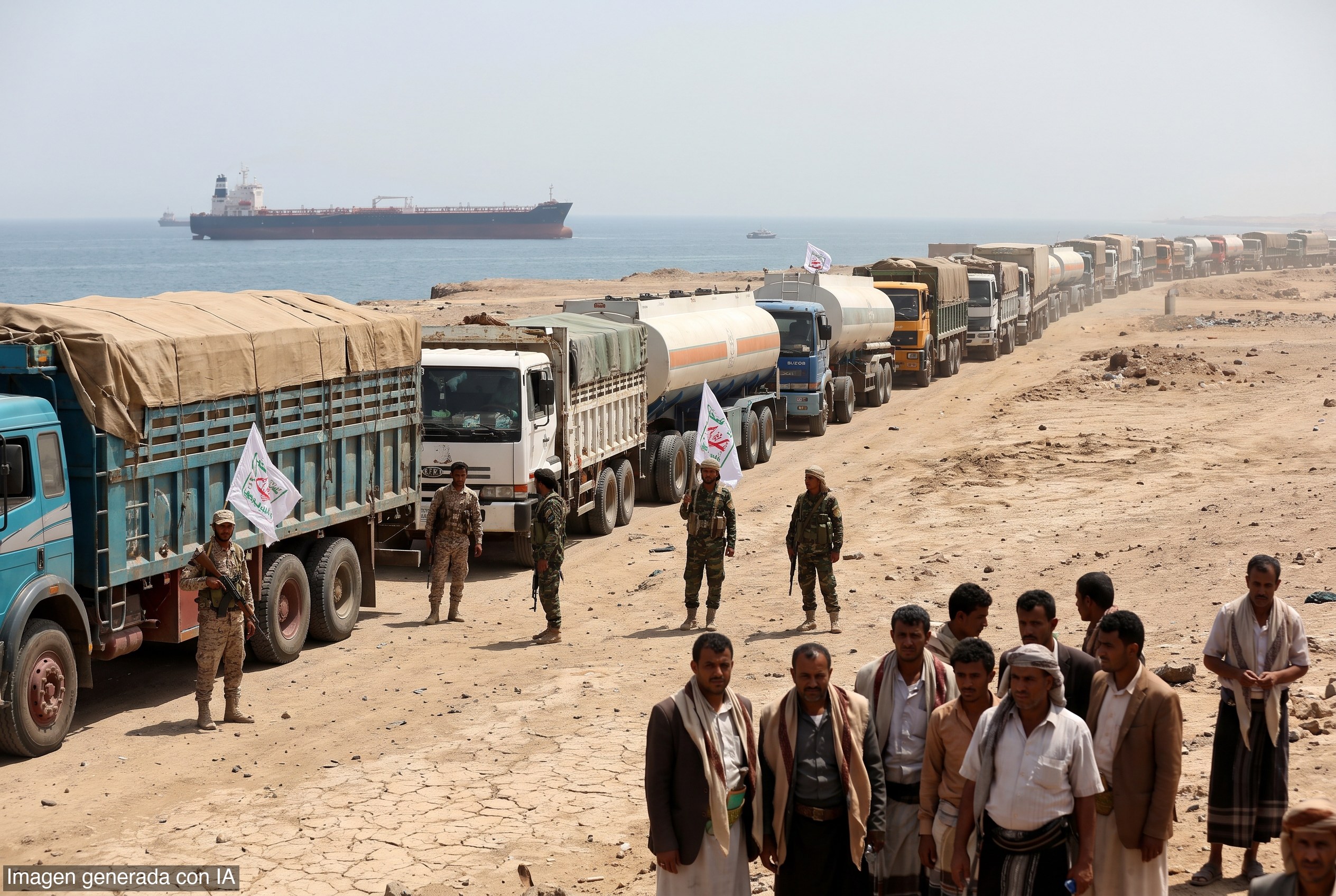
The Houthis are not a footnote. Yemen's Iran-aligned militia has launched a major offensive in the Middle East, obstructing trade routes, disrupting Saudi Arabia's most vital crude pipeline, and sending oil prices skyward.
That is not a small regional nuisance. It is a reminder that a group described as 'seemingly ragtag' can still impose costs far beyond its size when it can threaten shipping, energy infrastructure, and regional order. The yield on 10-year Treasury bonds briefly rose above 5 percent on Monday, its highest since the pandemic, with interest rates expected to rise in the coming days. Markets notice when conflict becomes expensive.
The Free Press report says Zineb Riboua argues the Houthis may be closer to defeat than the world realizes. It also says the question is simple: how do they keep doing this? Riboua says the U.S. has failed to contain the Houthis despite Washington's relative military might, and she points to four reasons that explain the gap. She also argues that a weakened Iran could finally threaten their ability to keep fighting.
Follow the incentive, not the press release. If a militia can keep pressure on trade routes and energy flows, it does not need to win a conventional war to shape the battlefield. It only needs to make the cost of ignoring it too high.
That is the larger trade-off here. The region pays in higher shipping risk, higher energy prices, and more uncertainty; the West pays when disorder bleeds into capital markets and interest rates. What is true does not need an adjective: persistent disruption becomes power.
The same logic helps explain why Washington keeps running into the same wall. Military superiority matters, but so does the enemy's ability to survive, adapt, and extract leverage from commerce. If the Houthis remain able to threaten the arteries of trade, then the problem is not only military. It is institutional and economic.
Say it plainly. A militia that can move oil prices and unsettle bond yields is already influencing the balance of power. Whether defeat is near or distant, the evidence shows that containment has been costly and incomplete. That is the consequence when a regional proxy learns how to turn market pressure into strategic shelter.