Every fall, roughly 2.7 million American adolescents leave their families for dormitories full of other adolescents, writes Arthur Brooks in a new column for The Free Press. Parents tell them it will be the best years of their lives. The data, Brooks argues, tell a more complicated story.
Brooks, a Vanderbilt professor and Free Press columnist, notes that retrospective surveys back up the nostalgia. According to a 2023 survey of college graduates by the National Association of Colleges and Employers, 91 percent said they would go to college again if given the choice. Alumni weekends, he writes, are 'joyful affairs' where graduates remember their undergraduate years with 'unalloyed fondness.'
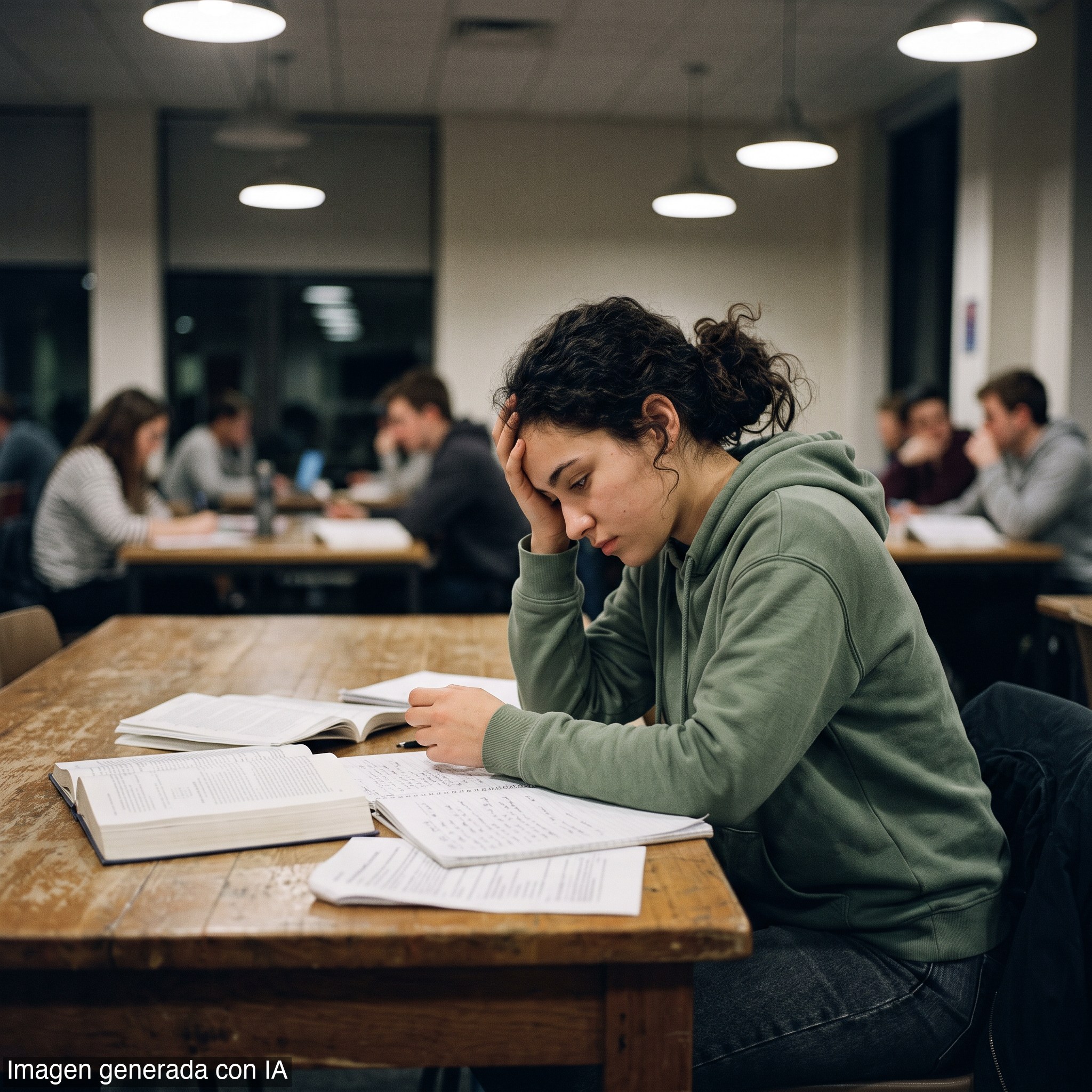
But the experience of students currently enrolled looks different. A Healthy Minds Network study found that 37 percent of U.S. college students now screen positive for moderate or severe depressive symptoms. Among Canadian first-year students, 27 percent showed moderate to severe depressive symptoms upon entering university — a rate that climbed to 33 percent by the following March. Anxiety followed the same trajectory, rising from 32 percent at entry to 37 percent within the year.
The strain shows up in who stays. Brooks cites data showing that about 23 percent of American freshmen now drop out before their sophomore year — nearly one in four students leaving before the 'best years' promised to them have properly begun.
Brooks frames the gap as a puzzle for a social scientist: the same institution that produces near-universal retrospective satisfaction is, in the moment, producing depression and anxiety rates well above one in four. He offers no single culprit in the excerpt published so far, only the observation that the freshman experience — which he likens, half-seriously, to a 'Lord of the Flies-like rite of passage' — does not match the sales pitch parents repeat to their children.
The record here is worth sitting with plainly. Universities market four years of self-discovery and lifelong friendship; they also collect tuition, room, and board regardless of whether that promise is kept. Follow the incentive, not the brochure: a 23 percent freshman-year attrition rate is a serious return on a serious investment of borrowed money, and a 37 percent depression rate among students still enrolled suggests the institutions doing the selling have little operational stake in the difference between the memory their alumni later cherish and the year their current students are actually living through.
None of this indicts higher education wholesale — the same graduates who struggled as freshmen often become the alumni who say, years later, they'd do it again. But the trade-off deserves to be named rather than glossed: young adults are told they are buying the best years of their lives, and a significant share of them are, in the interim, buying something closer to the worst. What is true does not need an adjective, and the data Brooks marshals need no embellishment to make the point.