The episode does not air until September 11, 2026. That is worth stating plainly, because the title alone has already done its work.
Second Thought, the podcast from The Free Press hosted by Suzy and Dan, has announced an upcoming conversation with comedian Jared Freid — the man behind the new comedy special The Family Plan, which, according to the source, breaks down 'the messy truth of life as a millennial son.' The material is domestic and recognizable: a mother monitoring her son's martinis, a father shouting about his weight at the beach. Freid's frame is generational, and the podcast is leaning into it.
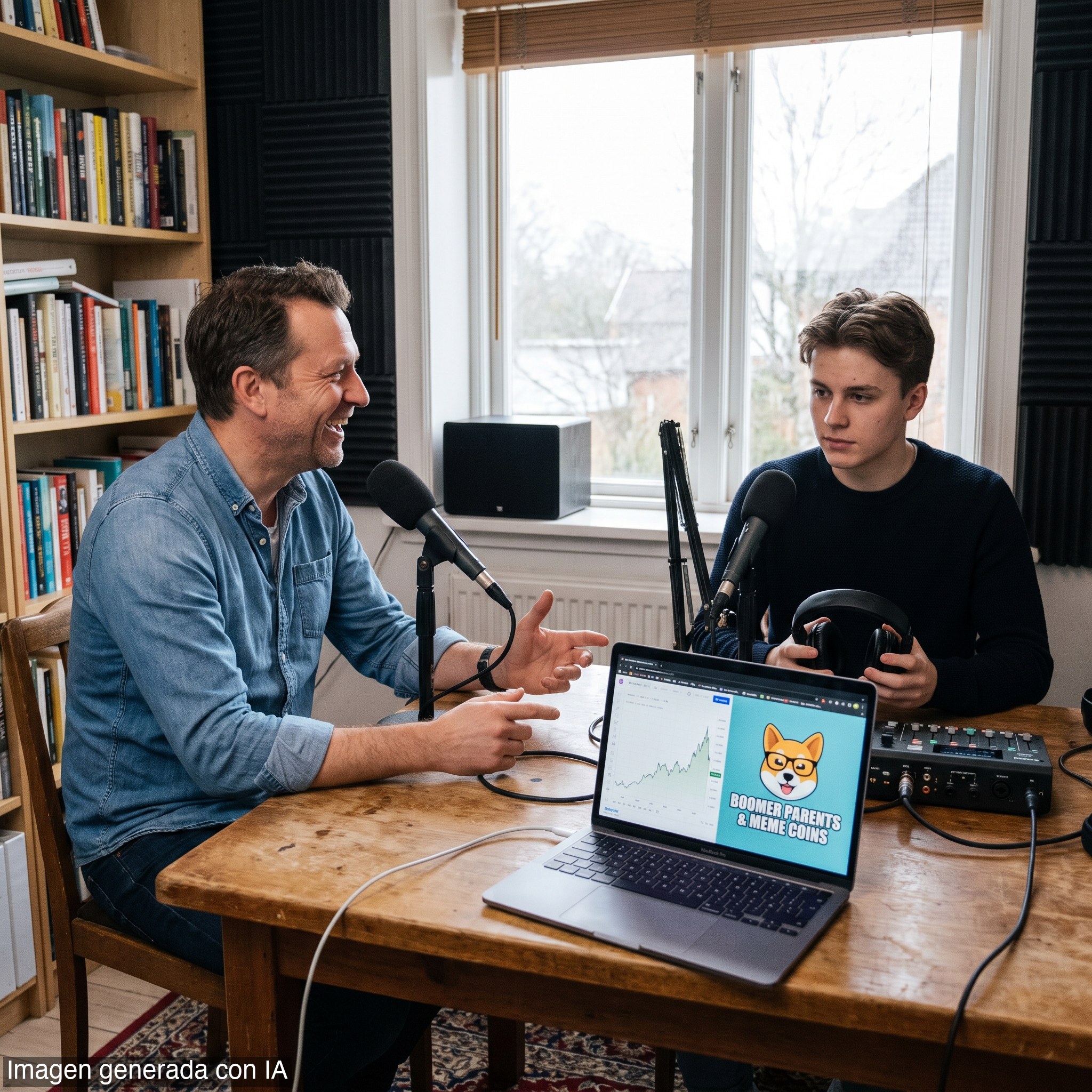
The announced episode title — Boomers, Burning Man, and Hunter Biden's Meme Coin — bundles three cultural reference points into a single headline. What exactly is meant by 'Hunter Biden's Meme Coin' the source does not specify. The title references it; the episode has not yet aired; no further detail is available on the record. What we can say is that the phrase was considered sufficiently legible — and sufficiently charged — to anchor a podcast title aimed at a general audience.
That choice is itself a data point. Podcast producers pick titles to move clicks. When a name functions as shorthand for a cultural punchline, it has crossed a threshold. Whether the episode treats the subject as comedy, commentary, or both, we will not know until 2026.
The Freid segment, per the source, will focus on Boomer parents and what he describes as the dynamics that persist well into adulthood between that generation and their millennial children. The source notes the episode also covers 'the death of Mexit' and 'Al Roker eats dog food' — a lineup that suggests the show is operating in the register of cultural observation rather than hard news.
There is nothing wrong with that. Comedy has always been one of the more honest instruments for reading a society's anxieties. When a millennial comedian builds a special around his parents' surveillance of his drinking habits, he is describing something real about a generation that delayed independence longer than any before it — partly by economic necessity, partly by choice, and partly because the institutions that once marked adulthood (stable employment, affordable housing, durable marriage) have become harder to reach.
The Signal will note the episode when it airs. Until then, the title stands as a preview — of the conversation, and of the cultural moment it expects its audience to recognize on sight.