America has found a new object of outrage: Sydney Sweeney.
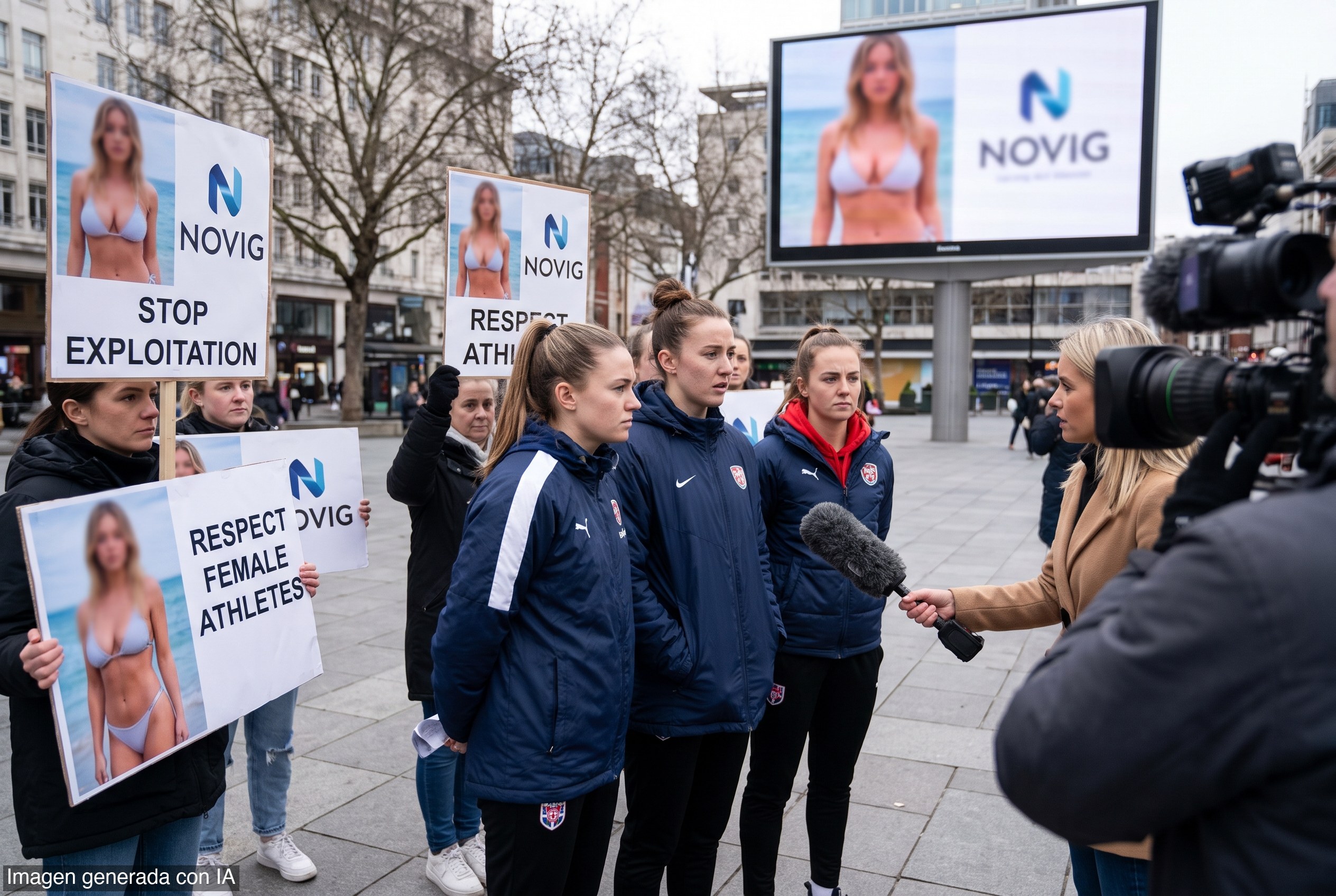
In the latest controversy, she poses nearly nude while advertising for the sports gambling platform Novig, and female athletes are not happy about it. The episode has become the latest fuel for a culture that treats every ad as a referendum and every celebrity as a public institution.
Suzy Weiss frames the matter as part of a weekly media cycle in which America cannot take its eyes off Sweeney. That much is plain. The record here is not complicated: there is an ad, it is for Novig, and the backlash centers on the fact that she appears nearly nude in it.
What matters for a free society is not the gossip itself, but the incentives around it. Celebrity sells. Controversy sells harder. And sports gambling platforms have every reason to ride the glare that follows a famous face. That is not an argument for censorship; it is an argument for seeing the market clearly. If a platform wants reach, it will borrow fame. If a celebrity wants relevance, she may lend it.
The athletes who object are not wrong to notice the asymmetry. They compete in real arenas, under rules, while a platform seeks attention through provocation. The public square now rewards the loudest image, not the cleanest product. Say it plainly: that is the trade-off when attention becomes the business model.
The episode also shows how fast modern culture turns serious questions into entertainment. Instead of asking what sports gambling does to incentives, the conversation detours into whether one celebrity looks too sexy in one ad. That is not depth. It is distraction.
Still, the underlying fact remains: Novig wanted the reach that comes with a star. Sweeney provided it. The market did what the market does. The backlash followed.
What the country should notice is not the scandal, but the structure behind it. Gambling firms do not buy fame for moral reasons. They buy it because it works. And in an attention economy, the cost is carried by everyone else, whether they like the ad or not.
The real lesson is not about one model, one platform, or one wave of online indignation. It is that the culture keeps rewarding spectacle and calling it news. Institutions, corporations, and celebrity alike keep chasing the same thing: reach without responsibility.
The record is public. The incentives are obvious. And the next outrage will arrive soon enough.